Recommended Tree Inspection Service Guide
Learn About Vital Tree Care Methods for Maximum Tree Health
Understanding tree care is essential for ensuring ecological wellness. Crucial methods including mulching and trimming are vital factors in encouraging strong tree growth. Furthermore, the right way to water are essential for root establishment. However, a lot of individuals ignore the indicators of tree illness and the importance of hiring professionals. Exploring these aspects can lead to a deeper appreciation for how to maintain trees. What steps can one take to guarantee their trees thrive?
The Significance of Tree Well-being
Knowing why tree health is crucial is vital, as trees are key players in preserving the ecosystem's equilibrium and making urban areas better. Strong trees assist with air quality, provide shade, and provide refuge for nature. Furthermore, they help lessen environmental shifts by capturing carbon, making them essential for a sustainable environment.
In urban settings, well-maintained trees enhance the appearance, boost real estate worth, and foster neighborhood health. Having trees can lessen heat island effects in cities, which saves money on energy.
Neglecting tree health, on the other hand, can lead to illness, pest infestations, and weakness in structure, presenting hazards to the trees and nearby structures alike. Therefore, recognizing the indicators of tree health, such as leaf coloration, its development rate, and bark condition, is vital for proper care. In the end, fostering healthy trees supports not only private yards but the entire environment as well, emphasizing the need for preventative maintenance and care methods.
Vital Trimming Practices
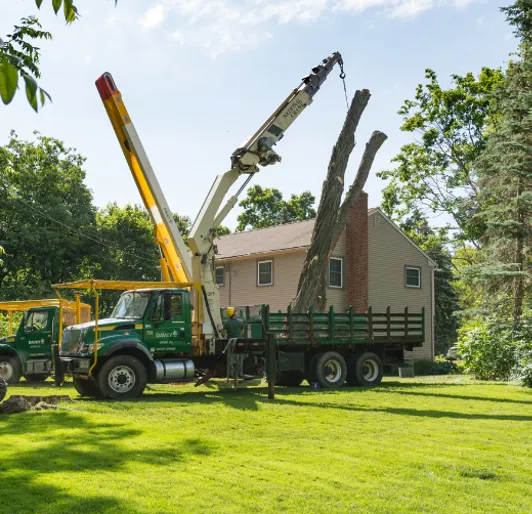
Cutting branches is a vital method in tree care that ensures optimal development and well-being, as it takes away unhealthy branches and boosts ventilation within the canopy. Employing proper techniques ensures the trees can flourish where they are planted.
A key method is "thinning," which means taking off certain branches to enhance light penetration and decrease stress on weaker parts. 'Tip pruning' is one technique, where the ends of branches are snipped to encourage thicker growth, particularly for young trees. Additionally, the process of 'crown reduction' reduces the height and spread of a tree but keeps its characteristic silhouette.
When to prune is key; trimming when the tree is resting reduces strain and promotes better wound closure. Tools should be sharp and clean to prevent injury and the spread of pathogens. Grasping these critical pruning practices is necessary for all tree specialists focused on preserving healthy and aesthetically pleasing trees.
Identifying Common Tree Diseases
How can tree owners recognize the signs of common diseases that put their trees at risk? Familiarity with key indicators is critical for prompt identification and action. Typical signs involve foliage that is off-color or limp, which may suggest fungal infections or nutrient deficiencies. Strange developments, like cankers or galls, may indicate insects are present or pathogens that compromise tree health. Additionally, sap running out or bark flaking off can be a sign of disease that need prompt care.
Tree owners should also observe changes in tree structure, including leaf drop or branch dieback, which could signify a more severe underlying issue. Monitoring for signs of insect infestations, like frass or bore holes, is equally important. By staying watchful and taking action, they can recognize these typical illnesses and find suitable treatments, ensuring their trees remain healthy and vibrant across the different seasons.
The Role of Mulching in Tree Care
Applying mulch is a vital method in tree care, providing many advantages that foster robust growth and durability. It means spreading a layer of inorganic or organic matter surrounding the trunk, aiding in moisture retention, keeping weeds down, and regulate soil temperature. This protective barrier does more than minimize competition from unwanted vegetation but also improves the look of the yard.
Moreover, organic mulches, for example, bark or chips, gradually decompose, adding vital nutrients to the soil and bettering its texture. This natural breakdown helps roots establish and fosters a healthier environment for the tree. Additionally, applying mulch helps stop the erosion of soil, which helps maintain the stability of the tree’s root system. Properly applied mulch should be spread in a ring shape, avoiding direct contact with the trunk to avoid rotting. Overall, integrating mulch application into tree care routines considerably contributes to the long-term health of trees.
Effective Watering Techniques for Trees
Quality tree upkeep needs more than just mulching but also proper watering practices to ensure optimal growth and health. Tree specimens, specifically new plantings, require steady hydration to establish strong root systems. It is vital to water deeply, as it promotes roots to descend where moisture is steadier. Ideally, trees ought to get approximately an inch of water per week, whether through rainfall or additional watering.
Watering should be done early in the morning to minimize water loss and fungal diseases. It is important to avoid overwatering, which can lead to root rot and other issues. The soil should be checked for moisture before watering; when the top two inches feel dry, it’s time to water. Moreover, utilizing drip irrigation or drip irrigation delivers a gradual, continuous stream of water, guaranteeing trees are sufficiently hydrated without the potential for wasted water. Correct watering methods significantly aid to the general well-being of trees.
Retaining Specialized Tree Care: Reasons and Necessity
When assessing the condition and aesthetics of a property, hiring professional tree services may prove essential for homeowners facing complex tree care needs. Professional arborists possess the expertise to evaluate the condition of trees, identify diseases, and implement effective treatments. Professionals are familiar with local regulations concerning tree removal and maintenance, guaranteeing compliance and avoiding potential fines
(Stillwater Tree Service)It is wise for homeowners to engage professionals when dealing with large trees, especially those close to buildings or power lines, as incorrect care can lead to dangers. In addition, trees requiring pruning for appearance or vitality profit from the expertise of trained specialists who can make accurate cuts to stimulate new growth
Seasonal tasks, such as storm preparation and debris cleanup, need professional assistance to ensure site security and appearance. In the end, hiring certified arborists makes certain trees get the best attention, contributing positively to the property's aesthetics and property value
Commonly Asked Questions
How Can I Tell if My Tree Is Receiving Too Much Water?
Symptoms of excessive watering are foliage turning yellow, wilting despite moist soil, rotting root systems, and significant defoliation. Additionally, the development of mold or fungus at the tree's base can signal inadequate water runoff and saturated soil.
When Should I Schedule for Tree Pruning?
The optimal period to prune trees is typically late winter to early spring before new growth begins - Stillwater Tree Service. This timing promotes healthy growth and minimizes stress on the tree, facilitating quick recovery and development
Is It Possible for Trees to Survive Major Storm Damage?
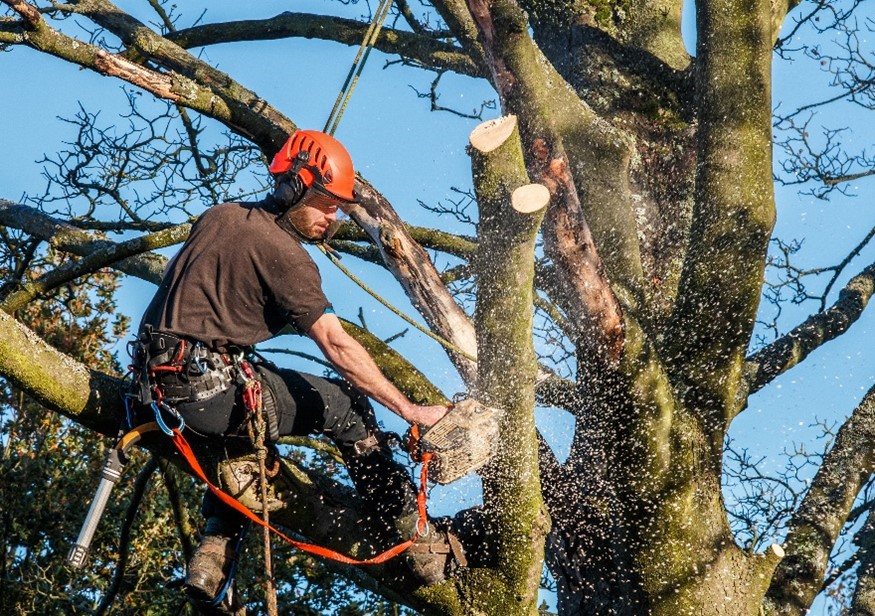
Absolutely, trees are capable of recovering from major storm damage. If maintained correctly, including the removal of injured parts and ensuring sufficient hydration and feeding, many trees can regain their health and keep growing strong after experiencing significant practical resource stress.
What Should I Look For When Choosing the Right Mulch for My Trees?
When selecting appropriate mulch, look for natural materials like wood chips or bark, ensure a layer 2 to 4 inches deep, and avoid piling mulch against the trunk to minimize fungal issues.
Do Certain Tree Species Need More Attention Than Others?
Specific varieties, for instance, new plantings and orchard trees, need extra maintenance due to their sensitivity to environmental changes and specific nutrient needs. Consistent observation and customized care routines are crucial for their well-being and flourishing.